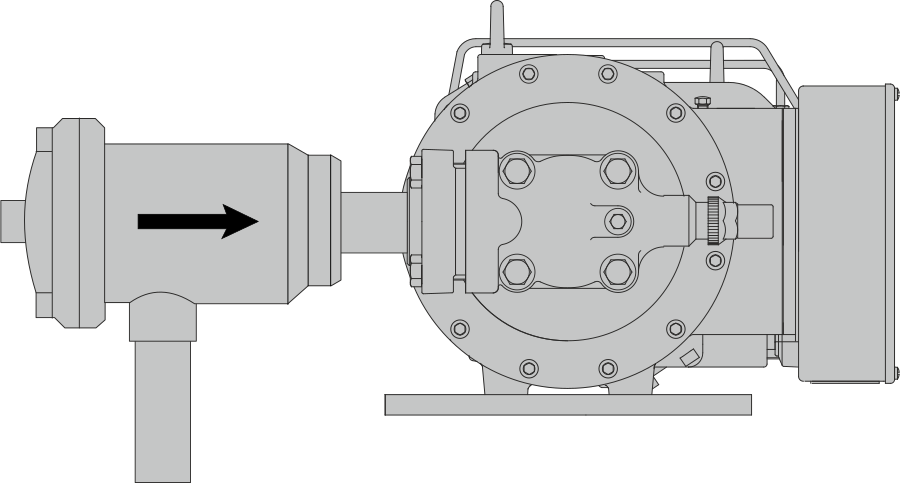
Suction gas line
The explanations here apply to most screw compressors and most refrigerants. For OS.A compressors with R717 (ammonia):
- AT-640: Use of ammonia (R717) in Bitzer compressors
In the case of widely branched pipe works, depending on the pipe layout, static backflow of oil can occur in the suction gas line during standstill, the compressor is flooded with oil. As with discharge gas lines, it is therefore recommended that the suction gas line should also preferably approach the compressor from below.
For systems with dry evaporation, the following additional measures are necessary (cf. Systems with flooded evaporator):
- Raise the suction gas line downstream of the evaporator (swan neck) or
- install the compressor above the evaporator (not mandatory for pump down system).
- Also mount a solenoid valve in the liquid line immediately upstream of the expansion valve (this is unnecessary in case of electronic expansion valves with solenoid valve function).
This also serves as protection against liquid slugging when starting.
The following figures show examples of suitable pipe layout.
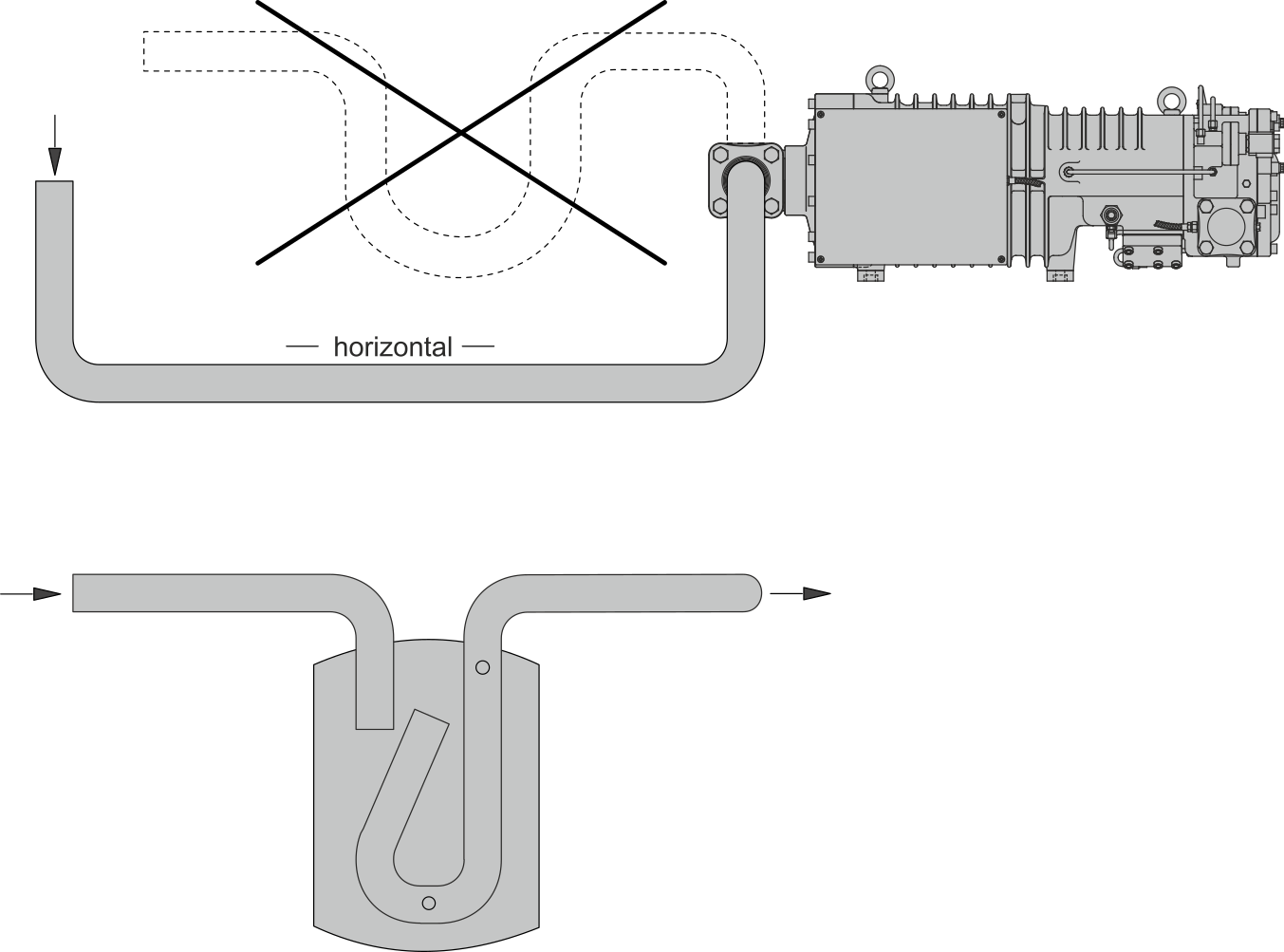
Upper partial figure: The horizontal pipe section must have sufficient volume and must not have a gradient towards the compressor.
Lower partial figure: The pipe layout shown in the suction accumulator and, above all, the small bores ensure that oil gradually returns to the compressor in portions.
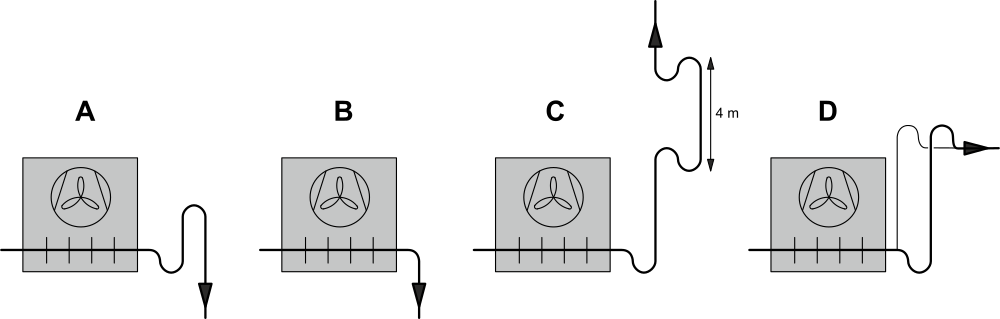
A: Raised suction gas line (swan neck)
B: Falling suction line – single pump down system or specific evaporator design required
C: Rising line
D: Split rising line for part load resp. systems with capacity control (e.g. compound operation or operation with external frequency inverter)
Risk of compressor damage!
Mount a cleaning filter on the suction side, especially for systems with longer pipes, when brazing/welding without shielding gas or when dirt is to be expected in the pipes for other reasons!
Mesh size: 25 µm